


Dry Air, Don't Care: The Ultimate Hydration Routine for Winter Braids & Protective Styles
Winter in the DMV is deceptive. One afternoon you're walking along the National Harbor in 55-degree sunshine, and the next morning you're scraping frost off your windshield. But whether it's 30 degrees or 50, the reality stays the same: the air is still dry. For women wearing braids in the DMV, winter dryness isn’t just uncomfortable — it directly affects style longevity and scalp health.
If you're wearing Knotless Braids, Box Braids, cornrows, or any other protective style in the winter, or have locs, you need a hydration strategy that accounts for winter conditions. It's about maintaining scalp health while your style is in.
How to Moisturize Braids in Winter
Let’s walk through what a proper winter hydration routine for braids actually looks like — from installation to mid-cycle refresh to takedown.
Why Winter Air Damages Protective Styles
Protective styles work when they create a low-manipulation environment for your natural hair. But when the air lacks humidity, moisture evaporates faster than your hair can retain it. This leads to:
Brittle, breakage-prone strands beneath the braids
Dry, flaky scalp that itches
Frizzy synthetic hair that can begin to look prematurely aged in dry air
Weakened edges from dehydration and tension
In the DMV, indoor heating makes this worse. You're moving between cold outdoor air and overheated offices, trains, and homes. That constant temperature shift compounds moisture loss.
Your braids may look intact on the outside, but if your natural hair underneath is parched, you're not protecting anything. You're just hiding damage until takedown.
Start Hydration Before Installation
The healthiest protective styles begin before a single braid is installed. Proper natural hair preparation lays the foundation for everything that follows.
Wash and deep condition your natural hair first. Use a clarifying or detoxifying shampoo to remove product buildup, then follow with a moisturizing deep conditioner. This creates a hydration base that supports longer-lasting results once your hair is braided.
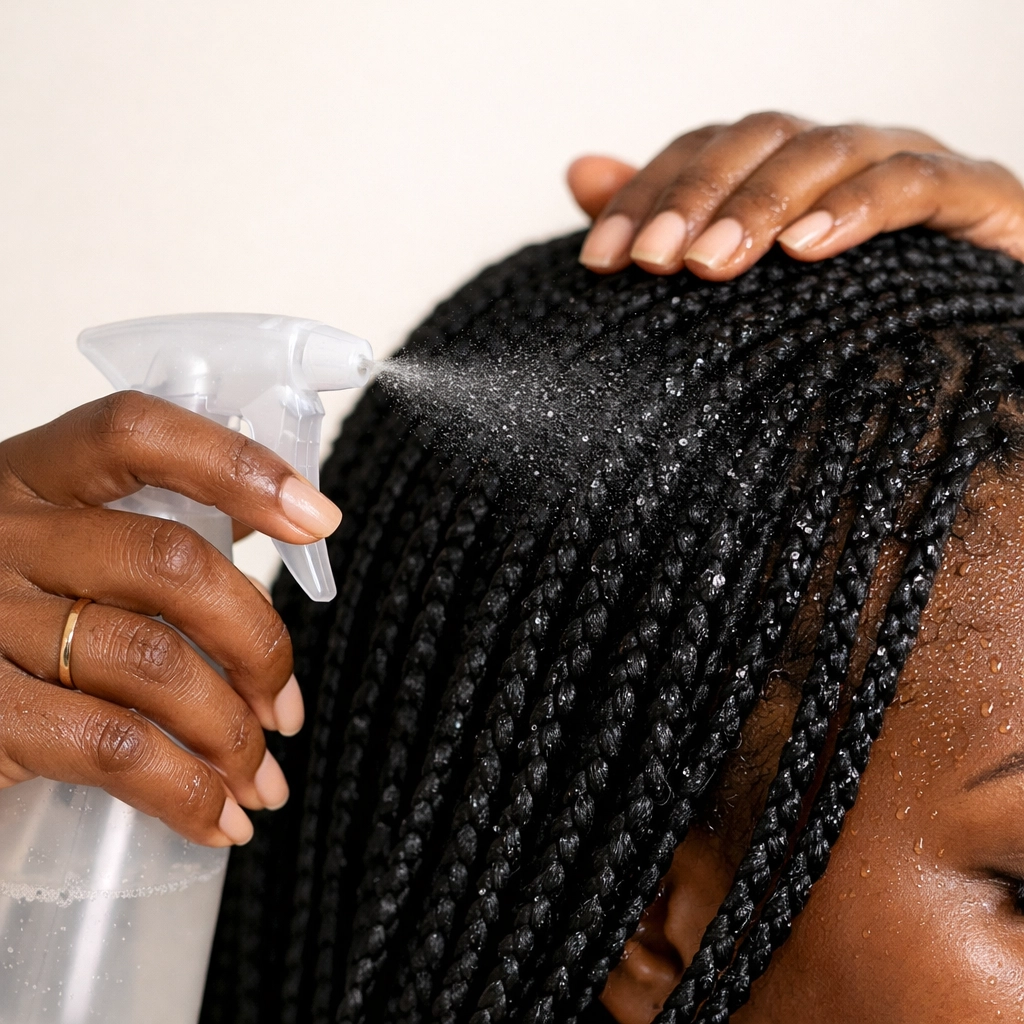
Apply a water-based leave-in conditioner and seal with oil. Before you install your braids or get any other protective style, mist your hair lightly with water or a hydrating spray. Then apply a length retention butter or moisturizing cream to lock in that moisture. This step is non-negotiable in winter.
Weekly Maintenance: Moisture and Scalp Care
Once your braids are installed, the work doesn't stop. Winter protective styles require consistent upkeep to stay healthy and look fresh.
Moisturize based on your hair's porosity and texture. There’s no universal schedule, but most people who wear braids benefit from hydration two to three times per week. If your scalp or natural hair tends to feel dry quickly, you may need moisture more often. If it stays hydrated longer, once a week may be enough.
Use a lightweight braid spray or hydrating mist that won't cause buildup. If you prefer a DIY option, you can create a simple hydrating mist by mixing water with a small amount of leave-in conditioner and a lightweight oil such as jojoba or avocado oil. Shake well before each use and apply sparingly to the scalp and braid base to avoid buildup. Focus on your scalp and the first few inches of your natural hair where it meets the braid base. Avoid oversaturating the synthetic hair.
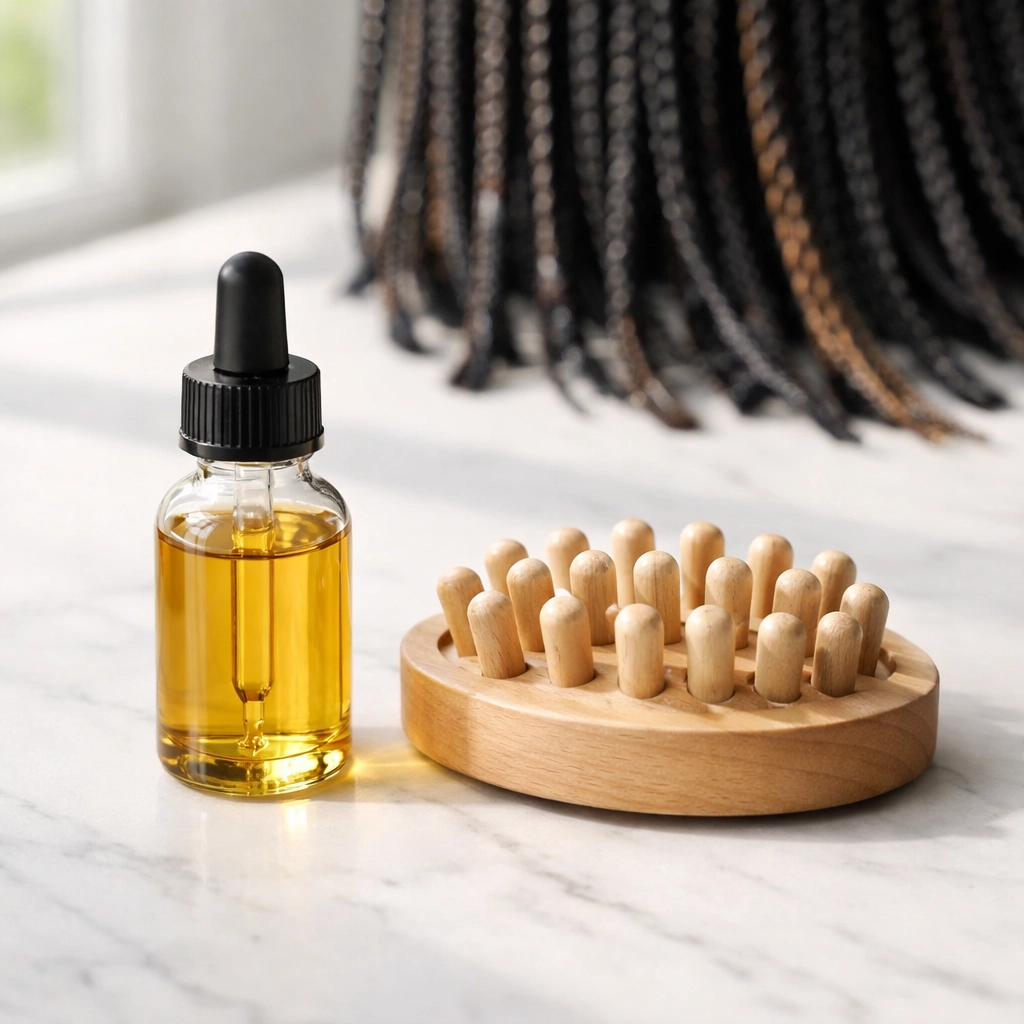
Massage your scalp weekly. This isn't just about moisture, it's about circulation. Use a nourishing oil or your favorite scalp serum, and gently massage in circular motions. This stimulates blood flow, reduces itchiness, and distributes natural oils down the hair shaft.
How Often Should You Wash Braids in Winter?
Cleanse Without Unraveling Your Style
Cleanliness and moisture work together. A buildup-heavy scalp can't absorb hydration effectively, which is why cleansing your braids during wear is essential, especially in winter when hats, scarves, and dry shampoo create extra residue.
Use a scalp-focused cleansing spray. These products break down oils, sweat, and product without requiring you to fully wet and re-dry thick braids. Apply directly to your scalp, massage gently, and wipe away buildup with a damp microfiber cloth.
Shampoo when necessary. If you work out regularly or wear your braids for more than four weeks, a gentle diluted shampoo wash is appropriate. Focus on the scalp. Rinse thoroughly and allow your hair to air dry or sit under a hooded dryer. Never go to bed with damp braids, moisture trapped against your scalp can increase the risk of bacteria, odor, and irritation.
For those with more active routines — including regular workouts — cleansing closer to every 10–14 days can help maintain a clean, balanced scalp.
When Should You Book a Braid Refresh?
Even with consistent at-home maintenance, most protective styles can benefit from a professional refresh midway through their wear cycle.
If your braids are beginning to look frizzy at the roots, feel heavy from buildup, or lose definition after several weeks, it may be time to schedule a braid refresh.
Visions Braid Bar is a full-service braiding salon in the DMV that offers professional shampoo and scalp cleansing, so clients don’t have to arrive pre-washed or manage buildup on their own before installation or refresh appointments.
During our braid refresh and rejuvenation service, we cleanse the scalp, condition the braided style, and redo any braids that need attention. This helps extend the life of your style while protecting your natural hair underneath.
If you're searching for Knotless Braids in Oxon Hill, braids near Alexandria, or a trusted braid salon serving the DMV, schedule your refresh appointment today.
Protect Your Style from the Elements
Hydration isn't just about what you apply, it's also about what you prevent from stripping moisture away.
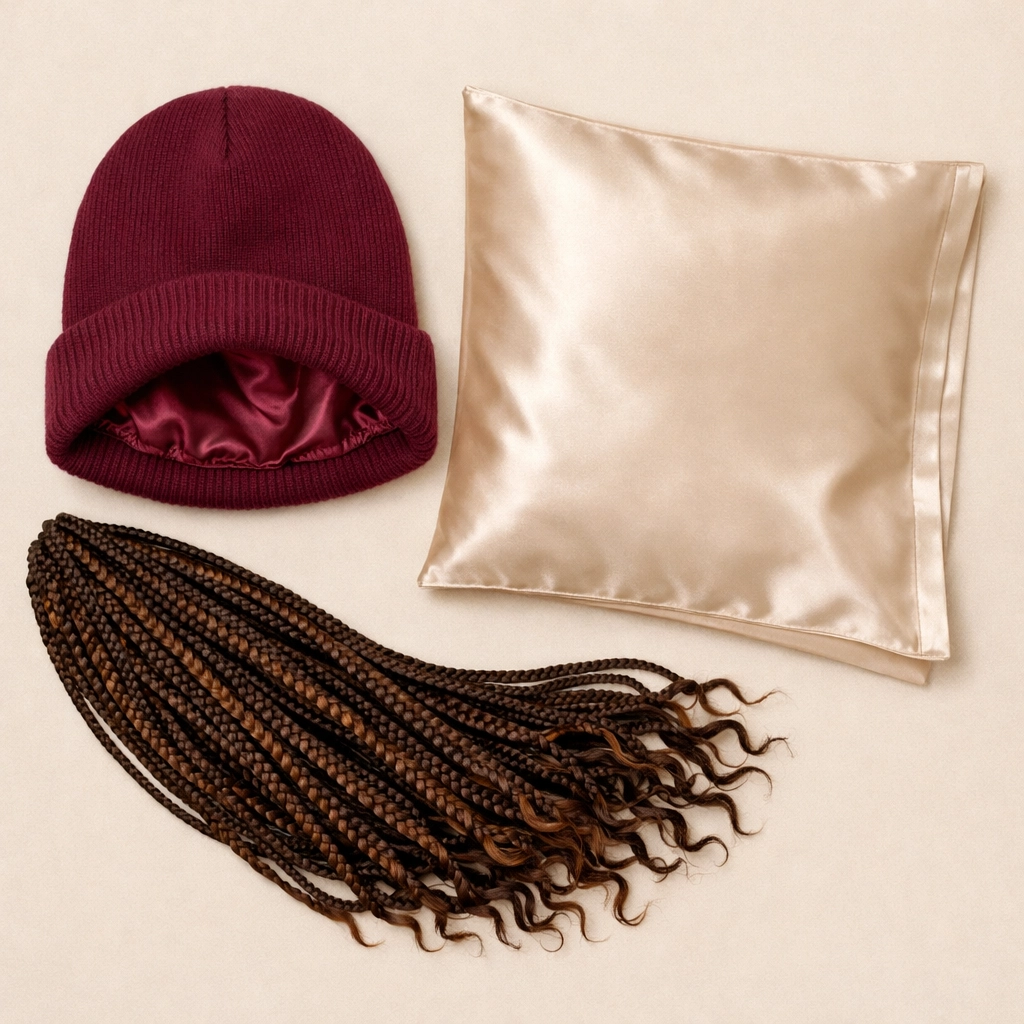
Wear satin-lined winter hats. Cotton and wool beanies absorb moisture and create friction that can lead to frizz and breakage. If you're commuting or traveling through Washington, DC, Alexandria, or anywhere in the DMV during colder months — whether for work or while visiting — choose a satin-lined cap or wear a bonnet underneath your winter hat to help preserve moisture and reduce friction.
Use satin bonnets or sleep on a satin pillowcase. This is non-negotiable year-round, but it's especially critical in winter. Satin reduces friction and helps your hair retain the moisture you're working so hard to maintain.
Know When to Take Your Braids Out
Even the best-maintained braids have a lifespan. Wearing them too long causes more harm than good.
The general guideline is 6–8 weeks maximum, depending on your installation method and hair health. Knotless Braids usually last approximately six weeks with proper care, while Box Braids get closer to the eight-week mark.
Signs it's time for takedown:
Excessive frizz that moisturizing can't tame
New growth that begins to affect comfort, appearance, or manageability
Scalp tenderness
Visible matting or tangling near the roots
Braids hanging on thin strands of hair, particularly around the edges
Pushing past eight weeks increase the risk of loc'ing, matting, tangling, and unnecessary breakage. At Visions Braid Bar, we help clients plan their braid cycles so they’re never in a style longer than their hair can comfortably handle. Through thoughtful installation, mid-cycle refresh appointments, and professional takedown services, we support long-term hair health. Professional women in the DMV need styles that fit their schedules — but not at the expense of hair integrity.
Takedown and Recovery
The way you remove your braids is just as important as how you maintain them.
Mist with a detangling spray before unraveling. This adds slip, softens any buildup, and reduces mechanical breakage during removal. Take your time, rushing through takedown snaps fragile strands.
Wash with a detoxifying shampoo immediately after. Your scalp needs a reset. Follow with a deep conditioning treatment to restore moisture and strength before your next style.
If you're searching for braid removal in Oxon Hill, braid takedown services near Alexandria, or professional braid removal in the DMV, schedule your appointment with Visions Braid Bar today, schedule your appointment with Visions Braid Bar today.
FAQs: Winter Hydration for Braids
How often should I moisturize my braids in winter? It depends on how your hair and scalp respond to dry weather, but most people benefit from hydration two to three times per week.
Can I use regular hair oil on my braids? Yes, but choose lightweight oils like jojoba, argan, or grapeseed. Heavy oils can cause buildup and weigh down your style. Always apply to the scalp and base of the braids, not the full length.
Do I need to wash my braids in winter? Yes. Even in cold weather, your scalp continues to produce oil and shed dead skin. While frequency depends on your lifestyle and activity level, many braid wearers find that cleansing about once a month is sufficient. Those who are highly active or athletic may benefit from scalp care closer to every 10–14 days to help prevent buildup.
What's the best way to dry braids after washing in winter? Air drying works well, but if you're short on time, use a hooded dryer on low heat to ensure your braids dry completely. Avoid going to bed with damp braids, as trapped moisture can lead to odor and create an unhealthy scalp environment.
For more maintenance guidance, visitour FAQ page.
Healthy Braids. A Redefined Braiding Experience.
Winter in the DMV doesn't have to mean compromised hair health. With intentional hydration, consistent scalp care, and proper maintenance timing, your protective style can remain polished and supportive of growth: even through the driest months.
At Visions Braid Bar in Oxon Hill, we specialize in professionally installed braids that prioritize scalp health and low-tension techniques. Whether you're wearing Knotless Braids, Box Braids, or cornrows, we equip you with the knowledge and techniques to maintain your style between appointments.
Visions Braid Bar is located in Oxon Hill, and we proudly serve clients traveling from Alexandria, Arlington, and across Northern Virginia who are seeking reliable, professional braiding services near Washington, DC.
If you're searching for Knotless Braids in Oxon Hill, braid services near Alexandria, VA, or a trusted braid shop serving the DMV, book your appointment today. Your hair deserves a strategy, not just a style.
About the Author
Binta P. Mamadou is the Founder of Visions Braid Bar, a modern braiding salon in Oxon Hill, Maryland serving clients across the DMV. She began braiding as a child, building hands-on skill and a strong foundation in traditional braiding techniques from an early age. After nearly two decades in corporate environments, she created Visions Braid Bar to serve busy, professional women seeking reliable, high-quality braiding in a modern, thoughtfully operated setting. Her mission is to redefine the braiding experience by combining creativity, professionalism, and careful installation practices that prioritize hair integrity.
Comments